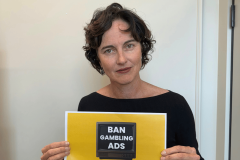
Australia’s annual gambling losses amount to a huge $19.7bn ($31.5bn AUD), which is more than what the government spends on aged care, a new study finds.
Equity Economics has released a new report detailing gambling in the country’s cost-of-living crisis, calling it the ‘black hole’ in household budgets.
The findings show that gambling losses amount to $959.29 ($1,527 AUD) for every adult in the country, with the figure having risen alongside the costs of essential goods and services. This figure is expected to be significantly higher when excluding those who do it infrequently.
“In fact, household expenditure on gambling has risen faster than spending on utilities, faster then spending on education and faster than spending on housing.”
For the Australians who placed a bet or wager in 2022-23, the average loss increases to $1565.52 ($2,492 AUD).
Gambling losses in Australia are the highest on record
This marks a 25% increase in losses for each gambling adult on pre-pandemic levels, despite real wages having decreased by 5.7% over the same period.
The report, which was also prepared with the support of the Alliance for Gambling Reform and the Wesley Mission, is calling on governments to help households ‘plug the hole.’ The team behind it suggest urgent action is required to reduce the impact on families.
“Gambling has devastating impacts on Australian households – the harm directly impacting an individual gambler has indirect negative effects on at least six others; and moderate-risk gambling affects three others,” the report states.
“Intimate partners and children of gamblers are worst hit, but the impacts extend to friends, colleagues and others. The wide-ranging ripple effects of gambling on families include emotional and mental health impacts, physical health problems and addiction, breakdown of family and social relationships and conflict, intimate partner violence and child maltreatment.
“Of course, families also experience significant financial stress, insecurity and loss from having a gambler in their household – both immediately as they balance their weekly budgets and over the long-term.”
With the report urging governments to address the matter, they describe it as being a ‘public health issue analogous to smoking, with individual responsibility, addictive products and industry practices that undermine wellbeing.’
Featured Image: Phil Whitehouse from London, United Kingdom, aka Phillie Casablanca on Flickr