Fact Checked by


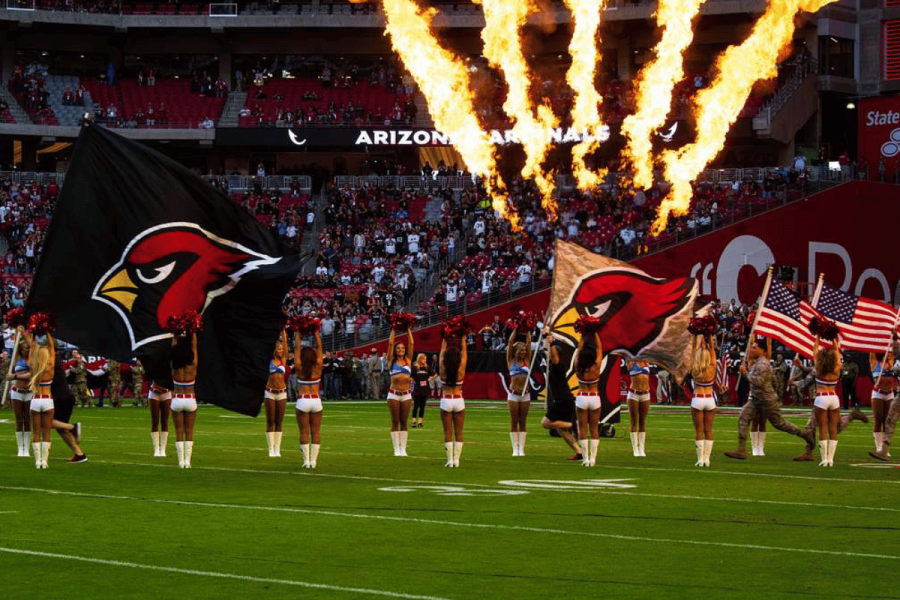
Arizona becomes the ninth state that Crypto.com has stopped offering prediction markets and sports contracts in.
As of Tuesday, December 2, for sport event contracts and Friday, December 12, for all other prediction markets, Crypto.com no longer offers its services in Arizona, making it the ninth state that it no longer operates in, as reported by Sports Betting Dime. Arizona joins Michigan, Maryland, Massachusetts, Illinois, New Jersey, Nevada, Ohio, and New York. Only on Monday (December 15), Arizona’s regulator notified gambling firm Underdog that it intends to revoke its fantasy sports contest license.
A @cryptocom spokesperson has confirmed the company no longer offers its prediction markets/sport event contracts in Arizona.
Trying to confirm the exact date when the offerings were pulled from Arizona.
— RLinnehanSR (@RLinnehanSR) December 15, 2025
This comes as the result of pushback from state regulators and government bodies, who argue that prediction market companies like Crypto.com are simply a means for them to offer illegal sports betting without a license. The states have one by one issued cease-and-desist notices or embarked on lawsuits to prohibit prediction markets from operating within their limits. Those lawsuits are still ongoing in Maryland, Massachusetts, New Jersey, New York, Nevada, and Ohio, with Crypto.com pausing operations in the meantime.
Why do states like Arizona take issue with prediction markets?
As a heavily regulated sector, sports betting in particular, although legal in 39 states, as well as Washington DC and Puerto Rico, requires various licenses and special regulations, depending on the state. However, prediction markets have sprung up quickly in the gray area outside of regulation.
The result is a battle about who has the right to regulate sports event contracts. Crypto.com and its competitors like Robinhood and Kalshi argue that state regulatory bodies do not have the right to override or negate the government’s authority to regulate prediction markets. Kalshi in particular has worked extensively with federal bodies like the US Commodity Futures Trading Commission (CFTC) to sidestep the need for state-level regulation.
State bodies, on the other hand, are launching legal battles with the view that they should be able to regulate prediction markets, especially ones offering sports event contracts.
ReadWrite has reached out to Crypto.com for further comment.