Fact Checked by


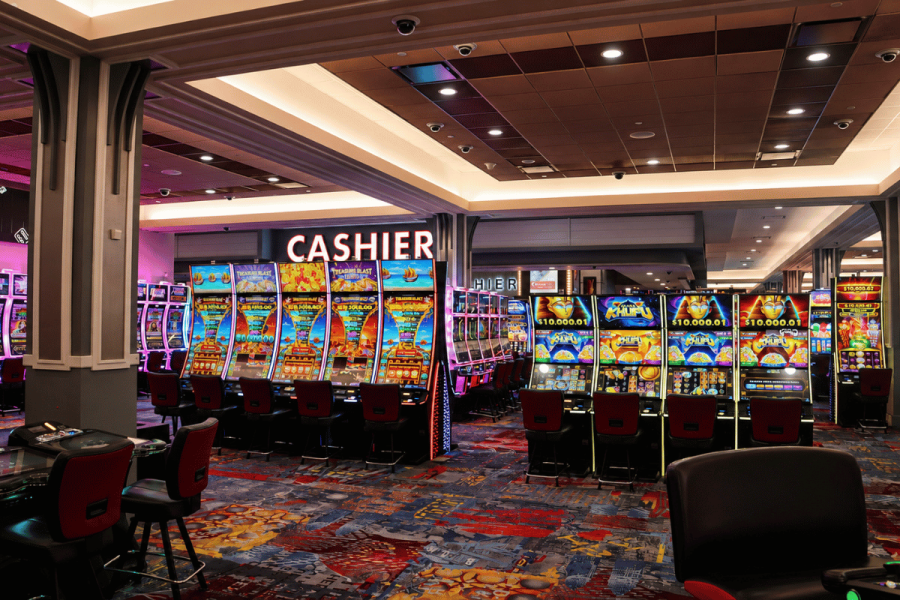
The Washington Gambling Commission has reached a tentative agreement with two Indian Tribes which allows them to offer electronic table gaming.
The regulator shared that it has reached an agreement with the Upper Skagit Indian Tribe on Wednesday (December 10) along with the Port Gamble S’Klallam Tribe on the same day.
The Washington State Gambling Commission has reached tentative agreements with the Upper Skagit Indian Tribe & Port Gamble S’Klallam Tribe on proposed gaming compact amendments.
Upper Skagit – https://t.co/LlW5U7wyhC
Port Gamble – https://t.co/LlW5U7wyhC
— WA Gambling Comm (@WAGambling) December 10, 2025
The proposed amendment, within the tentative agreements, includes provisions that already exist in other tribal compact, including a framework for electronic table games. For the Upper Skagit Indian Tribe announcement, the proposals also update smoking provisions at the Tribe’s gaming facility.
Speaking on the tentative compact amendment with the Upper Skagit Tribe, the vice chairperson at the gambling commission, Sarah Lawson, said: “Our work with tribal partners is grounded in respect for sovereignty and a commitment toward open dialogue in compact negotiations. This compact amendment reflects that approach by balancing the interests of the tribe in their gaming operations with those of the people of Washington State to ensure that gambling is kept legal and honest.”
The Upper Skagit Tribal chair, Jennifer Washington, said of the tentative compact amendment: “The Tribe looks forward to the ability to expand its gaming opportunities which will assist both Tribal and non-Tribal community interests.”
Washington Gambling Commission builds on tribal-state partnerships
The announcement with the Port Gamble S’Kallam Tribe also includes provisions to operate higher wager limits and extend credit to customers at the Tribe’s gaming facility through the proposed amendments.
The Port Gamble S’Klallam Tribal Chair Amber Caldera said of the tentative compact amendment: “The Port Gamble S’Klallam Tribe would like to thank the Washington State Gaming Commission for a respectful and collaborative compact amendment process.
“We appreciate the State’s partnership as we work towards further strengthening our economic foundation. This amendment enables us to create new job opportunities, expand services, better provide for our community, and contribute to a more vibrant regional economy that benefits not only our people, but our neighbors throughout the Kitsap Peninsula.”
Featured Image: Canva