Fact Checked by


Google has reportedly launched a new feature in the Google App, named Page Annotation, which takes users away from websites and to the platform’s search tool.
This was spotted by Search Engine Roundtable who shared that certain items within web pages are now being linked out to Google Search, with the platform “injecting links” onto other sites.
This takes people away from the original site and to search, making it harder to return to the previous page or find that information again.
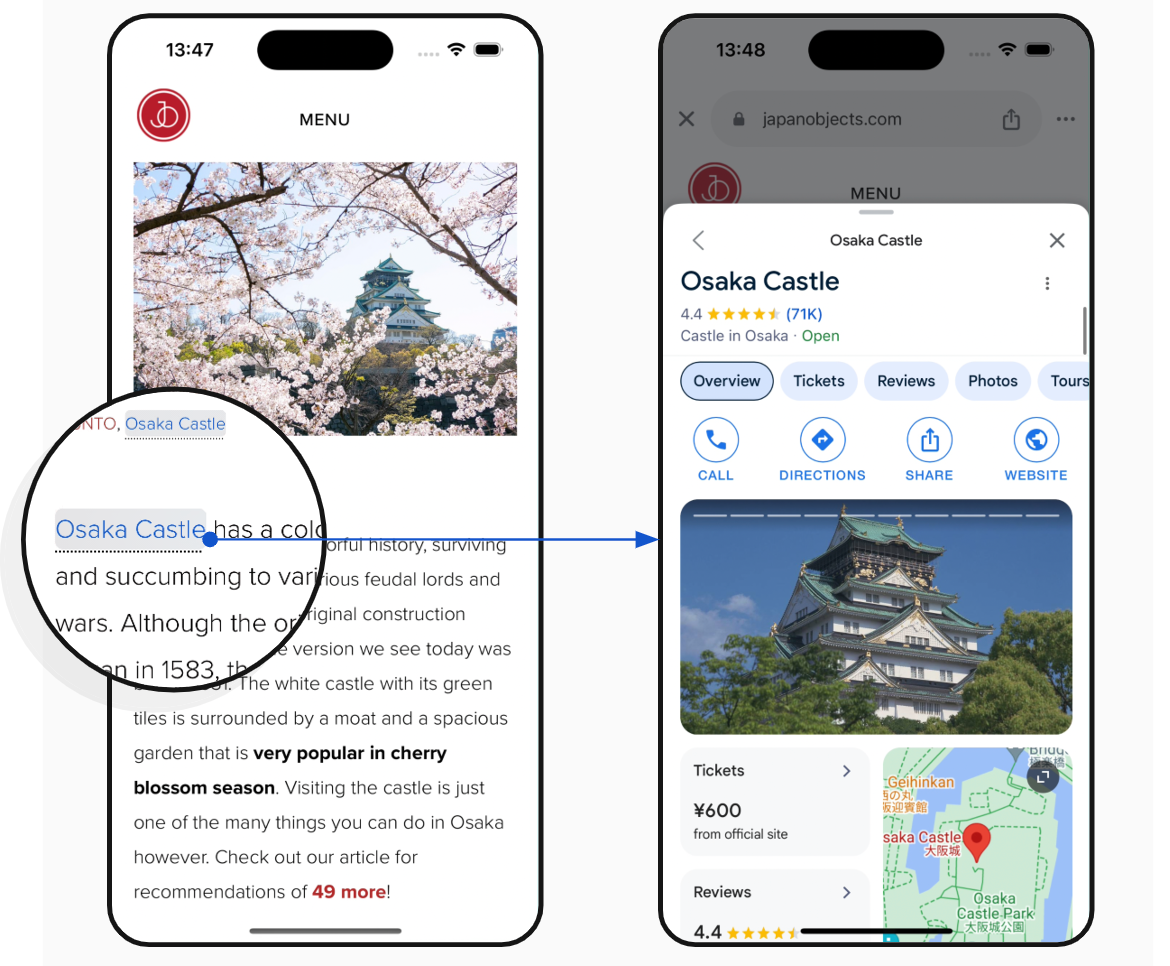
Image source via Google Search Help
This update is the latest in a series of changes Google has brought in recently, like the AI Overviews. While the company is likely intending to make searching easier for its audience, many website holders aren’t happy with the implementations.
An opt-out form has been created for those who don’t wish to have Google insert their own links on their site, but it states it can take some time for this to be disabled. According to the form, the “Page Annotation feature triggered on your site will be disabled within 30 days after you submitting this form.”
Google Page Annotation spotted on the App in iOS
Ashwarya from the Google Search Support Team published an image sharing the update and wrote in the Google Web Search Forums: “We’ve introduced a new way to get additional information about the topics you’re interested in on the Google app when using an iOS device.
“Now, we’ll extract interesting information from Google Knowledge Graph entities and highlight them in line. When the user clicks on the highlighted entity, it will open the app tray, so you can easily find out more information, right when curiosity strikes.
“This new experience allows people to quickly get additional context about people, places or things – without leaving the site they’re on.
“And when you’re done, you can easily swipe to close the app tray and you’re right back on the page where you started. Web publishers are able to opt websites they manage out of this feature by submitting this form.”
Featured Image: AI-generated via Ideogram