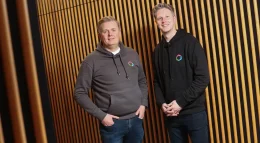
As part of Samsung’s ongoing mission to promote app development for its open source Tizen Platform, Samsung has been organizing a lot of programs to aid the cause ranging from incentives for apps, app contests and even conducting educational programs for students at various universities to teach Tizen development to students. Russia being one of the prime markets for Tizen, Samsung has been actively promoting Tizen development activities in the country.
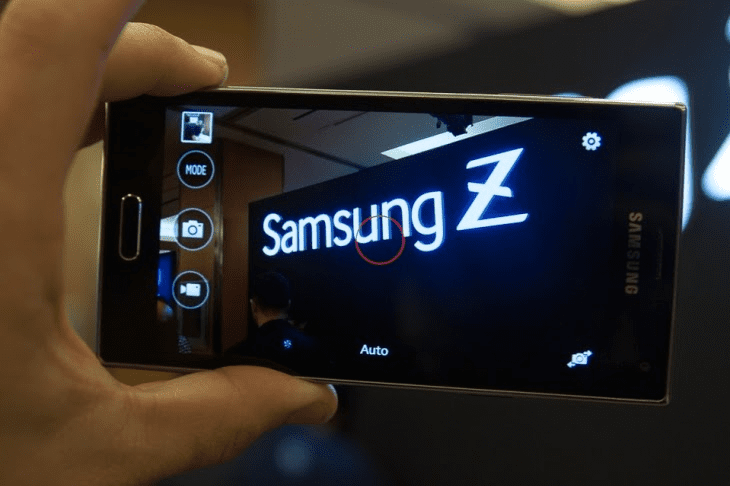
Recently, Samsung Electronics held an award ceremony to distribute course certificates for students who had undergone a six-month Tizen app development course in four Major Russian Universities namely- Higher School of Economics (HSE), National Research University “MEI”, Kazan Federal University (CFI) and Novosibirsk State Technical University (NSTU). Over 200 students from these universities had taken the Tizen app development course. During the product owner course, students were provided with Tizen smartphones as well as the Gear series of smartwatches to test their apps in real time.
Students explained that the use of HTML5 web programming tools andJavaScript made it fairly easy for them to learn app development for Tizen (as Tizen supports web apps). The course has led to the development of a long list of applications by the students across various categories such as games, utilities, media, health services, etc. All the application details and training materials will be available on TIZEN.org which is a public resource supported by the community Technical Steering Group, Linux Foundation and TIZEN Association.
Related News