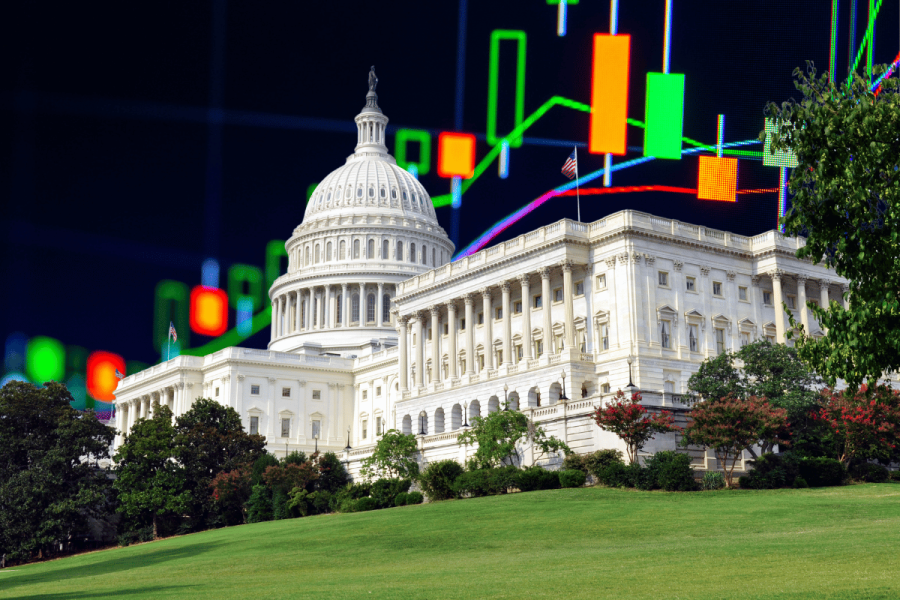
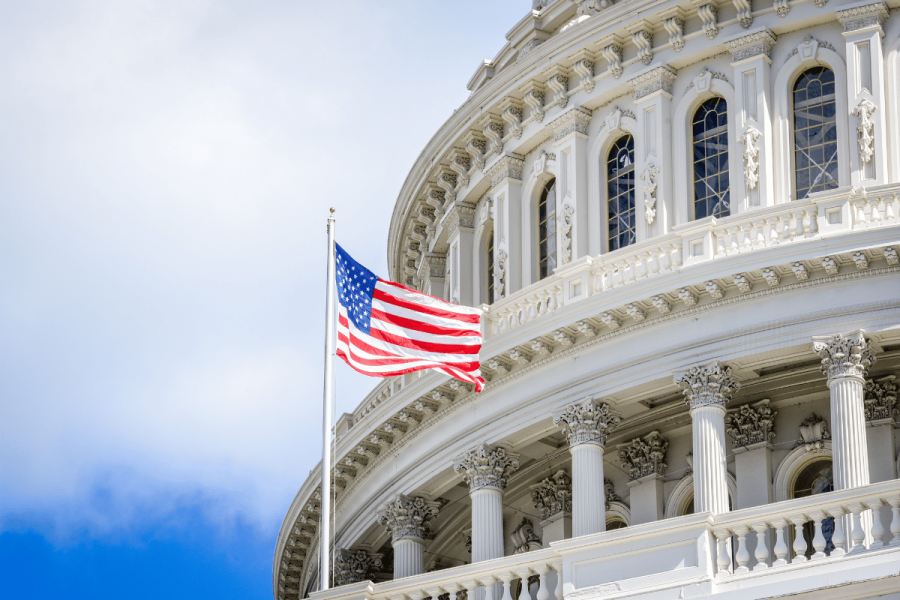
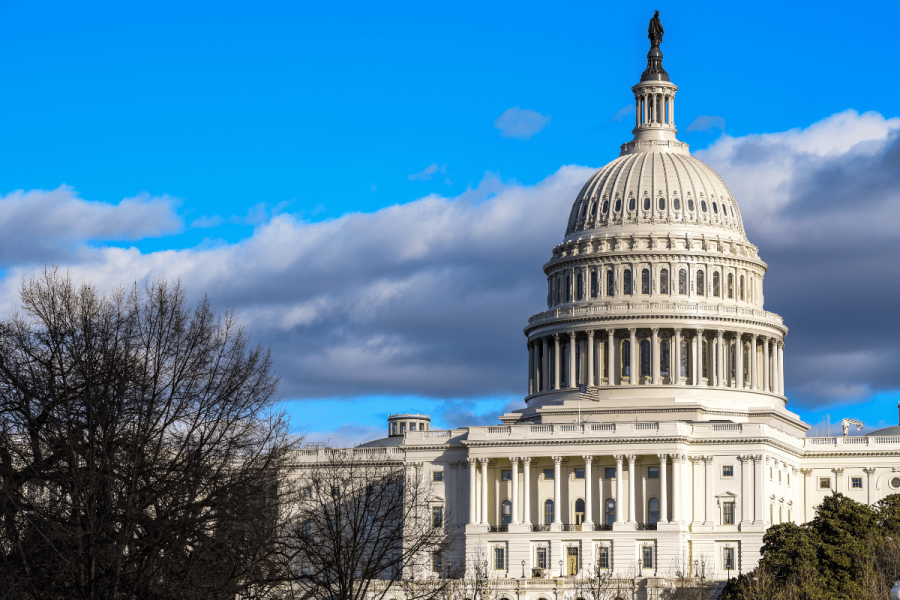
The U.S. Senate has moved quickly to prohibit its own members from trading on prediction markets, citing growing concern over insider advantages and ethical gray areas tied to the fast-expanding platforms. In a unanimous April 30 vote, lawmakers approved a rule barring senators, staff, and Senate officers from participating, with immediate effect.
Rising scrutiny over prediction market access
Pressure had been building as watchdogs and policymakers raised concerns that access to sensitive or nonpublic information could provide an unfair edge in markets where users trade on real-world outcomes such as elections and geopolitical events. Even indirect insights into policy or global developments could translate into profitable positions.
Bipartisan push gains momentum
Sen. Bernie Moreno led the bipartisan effort, arguing the measure is necessary to maintain public trust. Lawmakers across party lines have increasingly warned about the risks of combining public service with speculative financial activity in fast-moving markets.
Broader regulatory efforts take shape
The Senate’s move aligns with a wider push in Washington to tighten rules around financial activity by public officials. Concerns over congressional stock trading have persisted for years, and prediction markets are emerging as a new focal point. A bipartisan House proposal is already being developed to extend similar restrictions.
States and industry respond to pressure
Beyond Congress, Kathy Hochul has backed restrictions aimed at preventing state employees from engaging in insider-style trading on prediction platforms.
Meanwhile, companies like Kalshi and Polymarket say they already prohibit insider trading and have implemented safeguards to limit conflicts of interest.
Regulatory uncertainty continues
Regulators, including the Commodity Futures Trading Commission, are still determining how to classify and oversee prediction markets, which blur the line between financial exchanges and gambling products. As the sector grows, the Senate’s action marks a clear signal that lawmakers are prepared to impose stricter boundaries between public duties and private financial activity.