Over the past half-year, we have written extensively about e-books and e-readers. We’ve discussed the merits of e-books over paper books. We’ve covered Kindle e-books outselling hardcover best-sellers and their strength over the holiday season. We’ve even included the growth of e-readers and e-books in one of our Top Trends of 2010 posts.

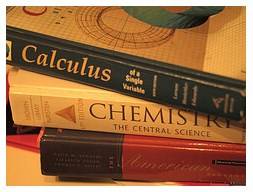
But, as ReadWriteWeb editor Richard MacManus discussed in “5 Ways that Paper Books are Better than E-Books,” everything from price to packaging to, most importantly, the feel of physical books may keep them on the shelves for a long time to come. Now, in a study called “Student Attitudes Toward Content in Higher Education,” another round in the debate has been settled on the side of paper. 75% of student preferred old-fashioned, paper-and-board textbooks over electronic versions.
The surveying entity, the Book Industry Study Group, announced the results yesterday. The 75% who preferred paper textbooks cited “a fondness for print’s look and feel, as well as its permanence and ability to be resold.”
Additional findings:
- Students love a bargain. Survey respondents said they often buy previous editions of a textbook (16% did this for their current class ) or international versions (18% did this at least once).
- Piracy is pervasive. More than 40% of survey respondents said they bought a textbook from a pirate website, or know others who have. In addition, many respondents reported copying their friends’ textbooks.
- Some learning tools have high value. Print study guides, Campus Learning Management Systems — such as Blackboard and WebCT — and diagnostic self-tests held high value for survey respondents.
- Some learning tools have low value. Online tutoring, audio study guides and “clickers” used in the classroom by instructors held low value for survey respondents.
The 12% who did favor e-textbooks — “mostly males, and often MBA-seeking or distance learners” — said they valued the “lower cost, convenience and portability.”
Textbook photo by Nina Scaletti | other sources: ResourceBlog