
New Jersey’s Senate Judiciary Committee has advanced S597 with bipartisan support, proposing to replace criminal penalties for gambling by people under 21 with civil fines of up to $500 for a first offense, $1,000 for a second and $2,000 for a third. The bill would direct the money collected to compulsive-gambling prevention, education and treatment programs.
The proposal changes the legal framework but does not remove penalties. It would cover under-21 gambling at casinos or simulcasting facilities, as well as adults who allow someone in their legal care or custody to gamble and casino licensees or employees who permit underage gambling.
Who the proposed fines would cover
S597 applies to people who gamble at a casino or simulcasting facility before turning 21. Its scope also reaches people responsible for a minor and casino licensees or employees when they allow underage gambling at those facilities.
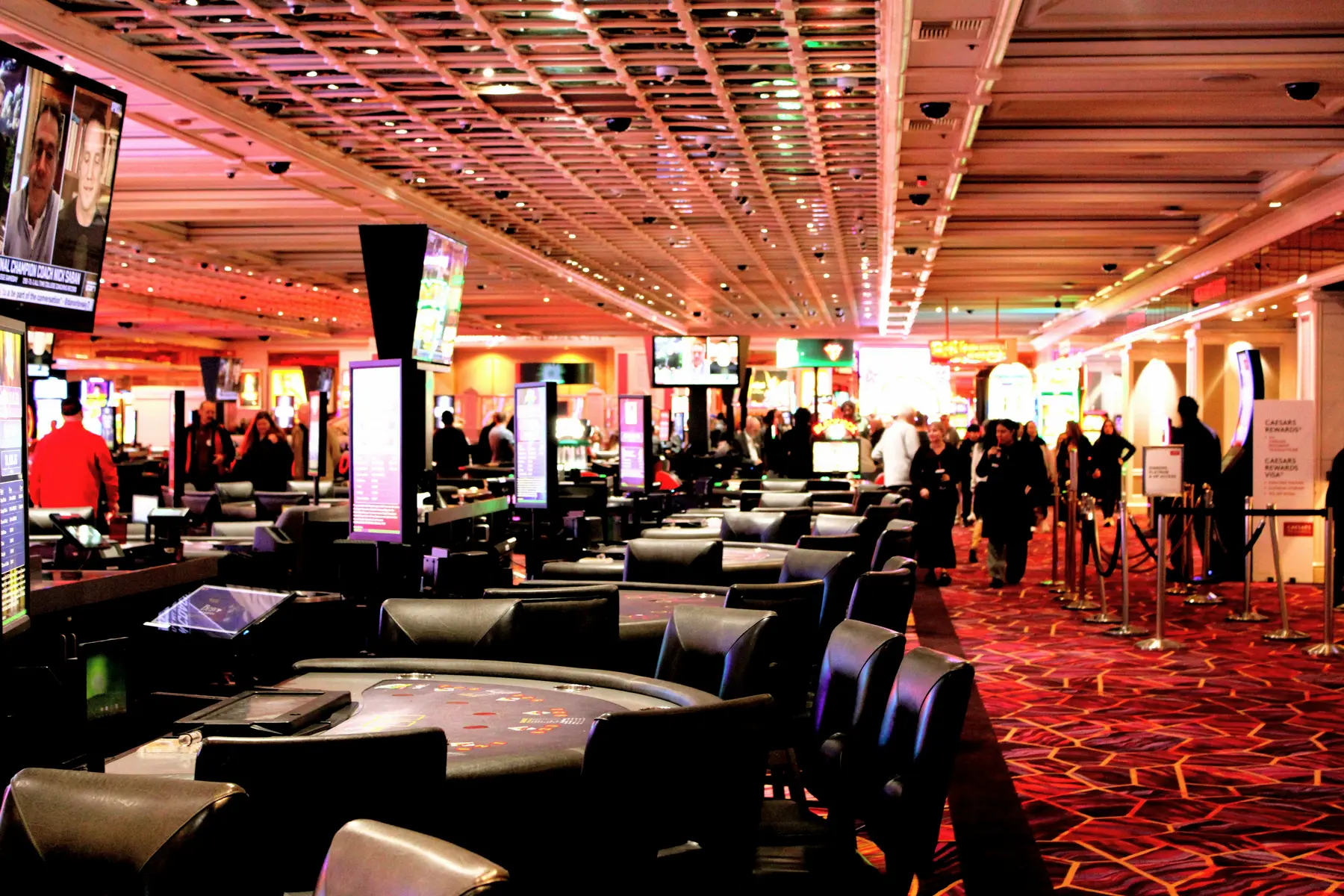
The bill therefore concerns more than the young person placing a wager. For casino operators, the proposed framework retains a direct compliance consequence where a licensee or employee allows someone under 21 to gamble. The available reporting does not describe changes to age-check procedures or other operator requirements, so the proposal’s stated effect is the change in penalties.
That distinction matters: S597 does not simply eliminate consequences for underage gambling. It would replace a disorderly persons criminal offense with escalating civil fines, while preserving accountability for the categories of conduct identified in the measure.
Age-verification enforcement has also featured in other jurisdictions’ gambling regulation. In Ontario, the Alcohol and Gaming Commission of Ontario fined Betty Gaming over underage-gambling issues, a separate case that illustrates how regulators can address age-related compliance concerns through operator enforcement.
How the fine schedule and funding would work
Under S597, the proposed maximum fine would rise with repeat offenses: up to $500 for a first violation, up to $1,000 for a second and up to $2,000 for a third. The source reporting describes those amounts as the proposed civil-fine schedule, rather than criminal penalties.
Money collected would support programs for compulsive gambling, including prevention, education and treatment. The Press of Atlantic City reported that the funding could go to programs such as those provided by the Council on Compulsive Gambling of New Jersey.
The funding arrangement is part of the bill’s approach to enforcement: penalties would remain, but their proceeds would be directed toward efforts intended to address gambling-related harm. The proposal does not specify in the available reporting how funds would be divided among programs or how the state would assess their results.
That focus on prevention sits alongside the bill’s provisions for casinos and their staff. Casino licensees and employees are among the parties the measure identifies when they allow an underage person to gamble, so the proposed civil framework would continue to make operator conduct relevant.
New Jersey regulators have separately taken action against licensed operators over responsible-gambling requirements. The state’s fine against Caesars Sportsbook provides context for the regulator’s use of enforcement in the market, but it is distinct from S597 and does not establish what penalties would apply under the bill.
Supporters point to accountability and prevention
Sen. Vince Polistina, a Republican from Atlantic County and one of the bill’s sponsors, has argued that casinos must follow the law while describing a criminal offense as too severe a consequence for a young person who makes a mistake. He also cited young people’s exposure to gambling through sports broadcasts, advertising and social media as a reason to reconsider how violations are handled.
Polistina’s stated position combines continued enforcement with a different form of penalty. Under the proposal, repeat offenses would carry higher civil fines, and collected revenue would go toward gambling prevention, education and treatment rather than leaving the matter solely within the criminal system.
Sen. James Beach, a Democratic sponsor, has emphasized the risk of gambling problems among young people and the possibility that criminal punishment could leave them with records. He has argued for focusing on behavioral changes and prevention instead.
Those positions frame the debate around how to respond when underage gambling occurs: the bill’s supporters say young people should remain accountable, but that a civil penalty linked to prevention and treatment is a more constructive response than a criminal offense. S597 would apply that approach to the covered gamblers, responsible adults and casino personnel specified in the proposal.
Committee approval is only an early step
The measure now goes to the Senate Budget and Appropriations Committee after advancing from the Senate Judiciary Committee. Its progress is not final approval by the Senate, and the proposal has not become law.

The bill mirrors a measure that was debated and received preliminary approval in the previous year but was ultimately not enacted, according to the reporting. That earlier effort did not result in the proposed change taking effect; S597 must still complete the legislative process.
As reported by the Press of Atlantic City and PlayUSA, the bill must pass the relevant committees in both the Senate and Assembly, win approval from the full membership of both chambers, and then go to the governor for action. Until those steps are completed, New Jersey’s existing criminal-penalty framework remains in place.