The future always arrives faster than you think and it often hits before you’re ready. Some people, though, have a talent for spotting trends. They see which technologies will make an impact, how new innovations will change society, and what’s coming up next for business and commerce. They also share what they’ve discovered. I’ve put together a list of the top futurist speakers to have at your conference in 2021.
Here are 25 of the best futurist keynote speakers. Each of these futurists speaks at major tech events — and when they’re not sharing their knowledge with audiences, they help top-level executives and marketing teams to prepare for the future.
- Joel Comm

Comm is a top futurist speaker who helps businesses and brands arrive before the competition, and makes seemingly complex material easy to understand, refreshing, informative, and entertaining.
- Lisa Bodell
Bodell spots new changes, identifies the most important characteristics that companies need to understand, and teaches them how to adapt and use new innovations.
- Bran Ferren
Ferren is now the co-founder and Chief Creative Officer of Applied Minds, a design and invention firm. He also invented the pinch-to-zoom technology popularized by Apple. Ferren’s talks focus on the value of innovations and explain why we should care about new technology.
- Tan Le
Her work has won her a host of innovation awards. Tan Le is the speaker you need to hear when you want to know how you’ll be using your brain in the future.
- Kate Ancketill
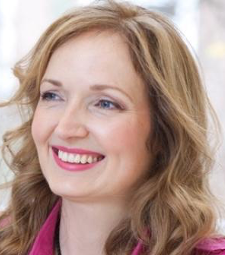
Ancketill explains how big companies change with technological and social innovation, and adapt to new customer behaviors.
- Brian Solis
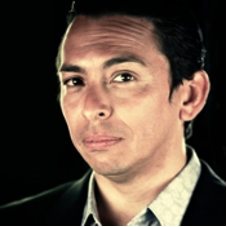
Solis is also the creator of “Lifescaling,” a model for living a creative digital life without diversions, focused on what’s important and making the most of the possibilities that technology offers.
- William Higham

Higham’s successful trend-spotting has included helping the drinks industry cope with the rise of the New Sobriety, identifying Wellbeing Consumers, and championing Strictly Come Dancing, a surprising hit BBC show.
- Travis Wright

Wright’s views of AI, machine learning, the blockchain, and martech has brought him to keynote stages around the world, including the annual Martech conference.
- Poppy Crum
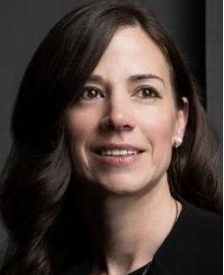
Crum helps organizations to rethink their understanding of personalization and explains how technology can make products more personal and less technical.
- Ben Casnocha

Casnocha’s has also founded e-government firm Comcate, and mentored at startup incubator, Techstars. Ben Casnocha’s speaking topics have covered the new employer-employee relationship, millennials at work, and the importance of thinking like an entrepreneur in today’s work environment.
- Michio Kaku
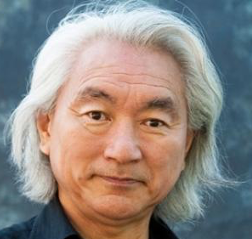
Kaku is a Physics professor at the City University of New York is also a trendspotter. His book “Physics of the Future,” includes interviews with 300 of the world’s top scientists to understand what the next decades, and century, will mean for science.
The science includes the future of computers, robotics, biotechnology, and more. Kaku’s talks cover both the physics of the future and the future of the mind.
- Vivek Wadhwa
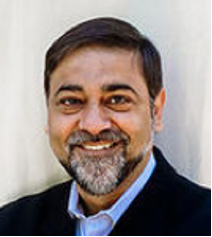
Wadhwa has explored the role of corporate training programs in the rise of Indian companies, diversity in Silicon Valley, and the risks of America’s visa program for skilled workers. His talks cover ways to navigate technological change, disruption and opportunity, and the role of technology in medicine.
- Kate Darling
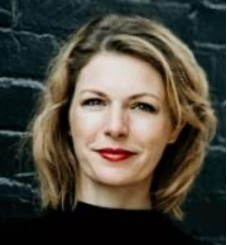
Although Darling has a background in law it’s her insights into the behavior of robots and how humans will interact with them that make her talks so vital.
- Kevin Mitnick
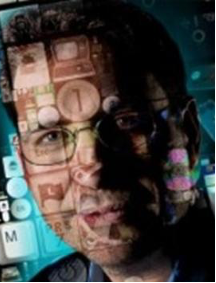
Mitnick is now one of the world’s most skilled white hat hackers, hired by governments and corporations to test their security and cyber defense systems. Mitnick’s talks cover a range of cyber defense issues from digital privacy to remote workplace safety and social engineering.
- Crystal Washington
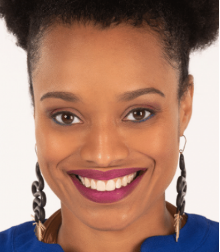
Washington talks through her own strategies for building an effective and efficient home office, and she ensures that technology serves her clients instead of forcing companies to accommodate themselves to new innovations.
- Gary Shapiro
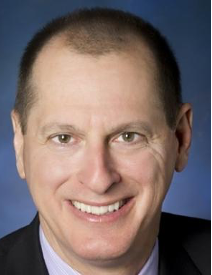
Shapiro’s talks focus on the place of innovation in America and how it can create jobs and build new industries.
- Chike Aguh
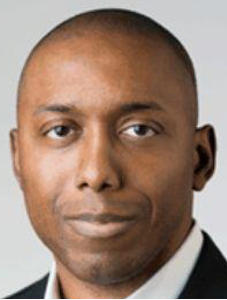
Aguh talks about the future of work and explains how automation could change as much as two-thirds of jobs. He also discusses the social impact and the effects of the gig economy, re-skilling, and a multi-generational workplace.
- Cate Trotter
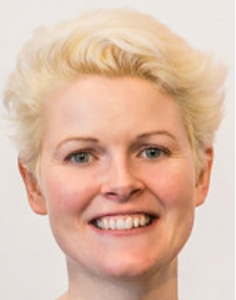
As an entrepreneur, Trotter has created and run two companies of her own. She is able to describe both theory and its practical effects and provides these explanations to brands.
- David Hanson
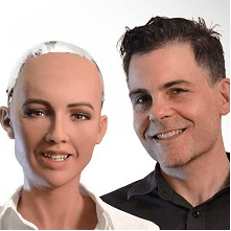
Hanson has now used artificial intelligence and new skin materials to create a realistic android called Sophia. David Hanson’s talks explain how the world will look when it is filled with androids.
- Gary Hamel
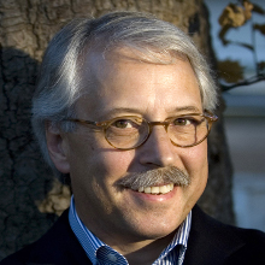
While many futurist speakers focus on how demand will change, Gary Hamel talks about how management will change to meet that demand.
- Hakeem Oluseyi
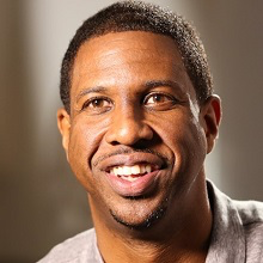
After completing a Ph.D. at Stanford, Oluyesi worked on computer chips in Silicon Valley then moved to NASA where he is now the organization’s Space Education Lead.
Elon Musk might be building the rockets that will take us to space but Hakeem Oluyesi understands what we’ll find when we get there.
- Magnus Lindkvist

At the Stockholm School of Entrepreneurship, Lindkvist created the world’s first academically accredited course in Trendspotting and Future Thinking. His talks focus on how we think about the world, and how we can use those thoughts to understand, predict, and build the future.
- Rachel Armstrong
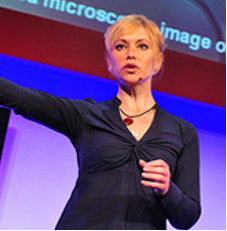
Armstrong’s expertise is in synthetic biology which she believes could offer sustainable solutions to built environments.
- Richard Watson
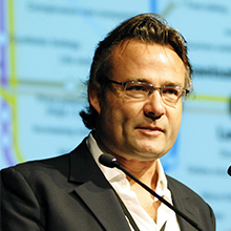
Watson’s talks focus on trends and strategic foresight, but his skill is applying those trends to innovation, retail, and other industries, and explaining how those industries will need to adapt.
- Rohit Bhargava
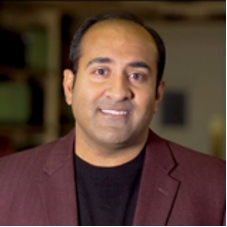
Bhargava’s Non-Obvious Trend Report is published at the end of every year and is read by more than a million people.
Top Image Credit: maria eduarda tavares; pexels