Fact Checked by


As the largest crypto exchange worldwide, Coinbase has a lot going for it. It’s a highly liquid marketplace that features an interactive design and supports hundreds of more and less popular coins with excellent passive income opportunities.
However, the platform imposes quite high transaction fees, offers weak customer service, and holds access to users’ private keys. If any of these flaws are a dealbreaker for you, our list of best Coinbase alternatives is worth checking out.
Keep reading to learn about other excellent crypto exchange brands you can use for trading and find out what they offer and how they’re better than Coinbase.
Ranking of the Top Coinbase Alternatives for 2026
Check out our best alternatives to Coinbase and what makes them stand out:
Best Alternatives to Coinbase — Reviewed
Now that you’re familiar with the 2026’s best Coinbase alternatives, let’s break down why they’re ideal for investors looking to switch platforms.eToro ranks as one of the most popular crypto exchanges around the world. It’s an investment platform covering over 6,000 trading assets. Its portfolio includes ETFs, stocks, indices, commodities, and more, catering to users whose interests expand beyond crypto. When it comes to coin selection, eToro doesn’t match Coinbase’s variety. With around 80 coins available internationally, it misses many niche options that Coinbase’s 240-strong lineup offers. Still, eToro remains the go-to option for many casual traders.

Pros
- Over a decade of successful operations
- Reputable multi-asset investment platform
- 6,000+ trading instruments
- Fantastic social and copy trading tools
- Watertight security measures
Cons
- Limited selection of cryptos
- 1% fixed fee on crypto purchases and sales
2. MEXC — Diverse Selection of Cryptos with Advanced Trading Features
While not as well-established or famous as Coinbase and eToro, MEXC holds its own on the modern crypto exchange market. Since its debut in 2018, MEXC has expanded to 170 countries and secured compliance licenses in the US, Canada, Australia, and Switzerland. Today, it features a sleek trading platform with over 10 million active users and billions of dollars in trading volume. Thanks to its long track record, Coinbase ticks quite a few of these boxes. Still, it can’t compete with MEXC in terms of cryptocurrency variety and advanced trading features.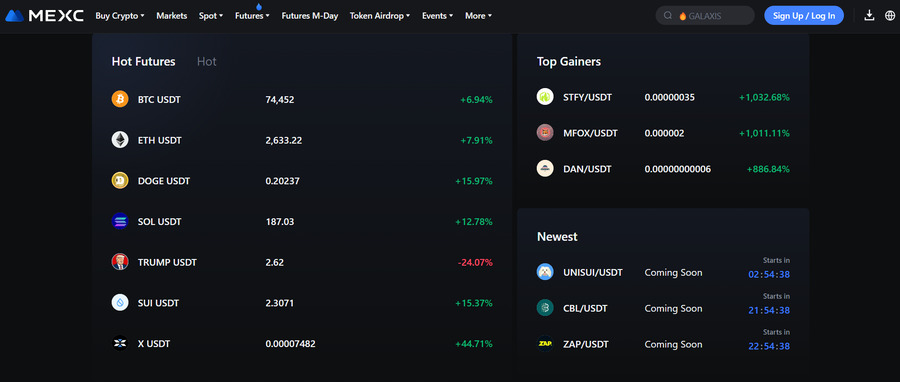
Pros
- Fast-growing new crypto exchange
- Excellent reach across multiple continents
- Over 2,700 supported cryptocurrencies
- Wide range of advanced trading options
- Competitive maker and taker fees
Cons
- Basic security standards
- Higher withdrawal fees
3. Margex — Competitive Fees and Great Leverage Trading Options
Launched in 2019, Margex is a small and relatively fresh digital asset trading platform. During its short career, it has expanded to around 150 countries, amassed close to 500,000 active users, and incorporated nearly 60 cryptocurrencies. While these metrics still fall short of Coinbase’s, the younger platform’s fee structure and leverage trading make up for it.
Pros
- 500,000 users across 150 countries
- Low limit and market order fees
- No additional crypto withdrawal and deposit costs
- 100x leverage trading
- Excellent forex trading options
Cons
- No formal licensing
- Poorer onboarding and support resources
4. Exodus — Non-Custodial Wallet Offering Full Control Over Your Assets
Exodus is another prominent crypto platform known around the globe. Unlike the other options on this best Coinbase alternatives list, it primarily functions as a non-custodial wallet. Launched to help users buy, store, and sell cryptocurrencies, Exodus has built its reputation on a user-centric approach. This focus has enabled the platform to incorporate exchange-like features into its offerings. Today, Exodus supports over 300 cryptocurrencies, facilitates NFT trading, and integrates with various DeFi projects and dApps.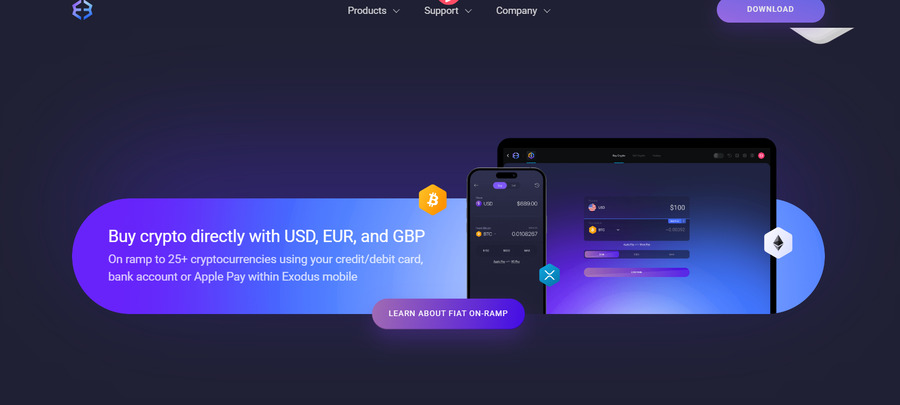
Pros
- User-centric approach to crypto trading
- 300+ supported cryptos across 50 networks
- Private keys to your wallet
- Fee-free built-in trading tools
- Convenient DeFi and dApps integrations
Cons
- No advanced trading options
- No 2FA or multi-signature transaction approvals
5. Kraken — Affordable High-Volume Trading with Robust Security
Founded in 2011, Kraken is a digital asset exchange platform that initially focused on Bitcoin, Litecoin, and euro-based trades. Its dedication to detail and responsiveness to industry trends have propelled it to the top of the best alternatives to Coinbase pecking order. The two platforms now support a similar number of cryptos — 330 for Kraken and 500 for Coinbase — and feature comparable educational resources — articles and video tutorials for Kraken and lessons and quizzes for Coinbase. Yet, Kraken takes the lead when it comes to fee structure and security measures.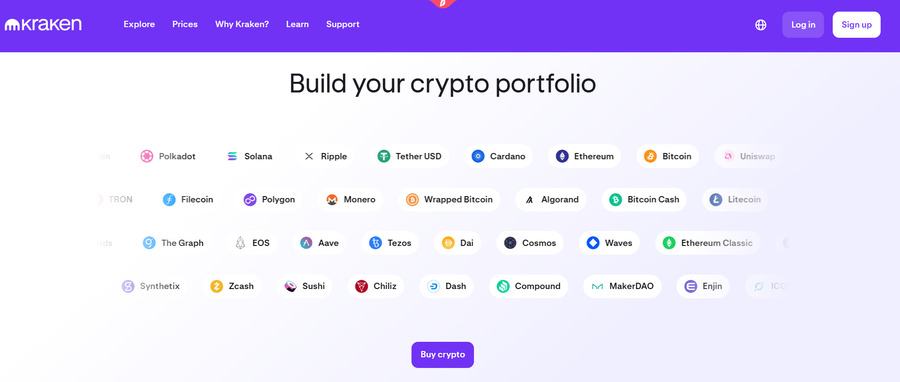
Pros
- Well-established US-based exchange platform
- Over 300 popular and niche cryptocurrencies
- Written and visual onboarding resources
- Low fees for high-volume trades
- Elaborate security system with innovative programs
Cons
- More suitable for advanced traders
- Fewer supported payment methods
6. Binance — Crypto Trading Giant with Generous VIP Program
With 200 million users and $100 billion in assets under custody, Binance is the largest crypto exchange platform worldwide. It works with over 500 coins and offers a 3-level trading experience, along with up to 124x leverage trading. Binance doesn’t have the beginner-friendly interface or simple dashboard that make Coinbase so accessible for crypto newcomers. It has also dealt with regulatory issues and security breaches its older competitor has never faced. Still, the platform’s better liquidity and loyalty benefits help offset these drawbacks.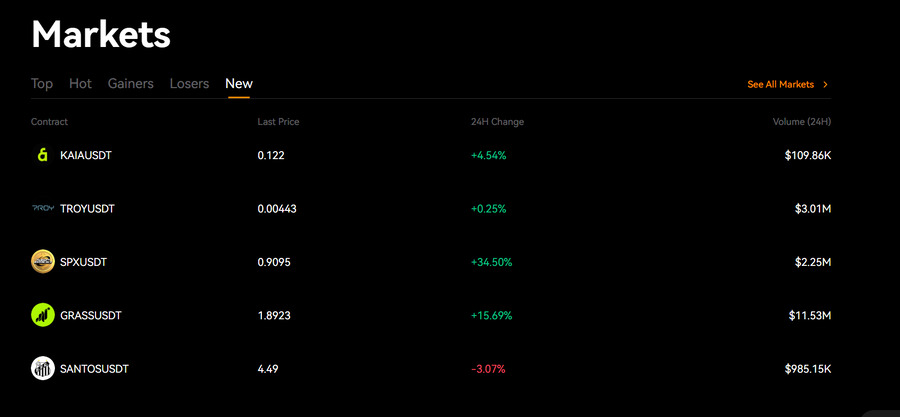
Pros
- Largest crypto exchange portal available
- $100 billion worth of assets
- Better liquidity and trade execution
- Rewarding VIP program
- Up to 124x leverage trading
Cons
- Regulatory and security issues
- Trading tools potentially overwhelming for beginners
7. BloFin — Seamless Trading Automation and Loose KYC Requirements
Coming in seventh on our best Coinbase alternative list, BloFin is quite a promising trading platform. Like Coinbase, the brand operates as a centralized crypto exchange, but its later launch and blockchain influencer-based leadership have led to slower growth. Nevertheless, BloFin’s offerings fare well for its future. It features futures, copy, and spot trading, alongside trailing stops and take-profit and stop-loss options, which helps it meet the needs of experienced traders. Yet, automation tools and KYC verification standards keep the platform attractive to beginners, as well.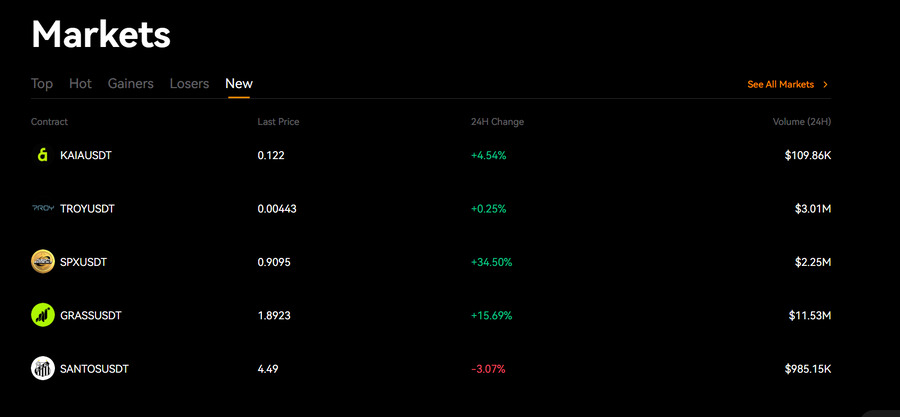
Pros
- Up-and-coming crypto exchange
- Various advanced trading options
- 350 supported trading pairs
- Built-in automated trading software
- Access to trading with basic KYC verification
Cons
- Restrictions based on geolocation
- Limited staking opportunities
8. OKX — Great Choice for Fine-Tuning Trades and Deep Liquidity
OKX is an international crypto company that has risen to become one of the top five exchanges in the world within a few years. Coinbase may seem a few steps ahead of it because of its US-based regulatory compliance, more user-friendly trade features, and simpler account funding options. OKX currently offers fewer fiat payment terminals and costlier transactions and only provides its services to US traders through OKcoin, its fiat-focused sister company. Nevertheless, OKX does have its strengths.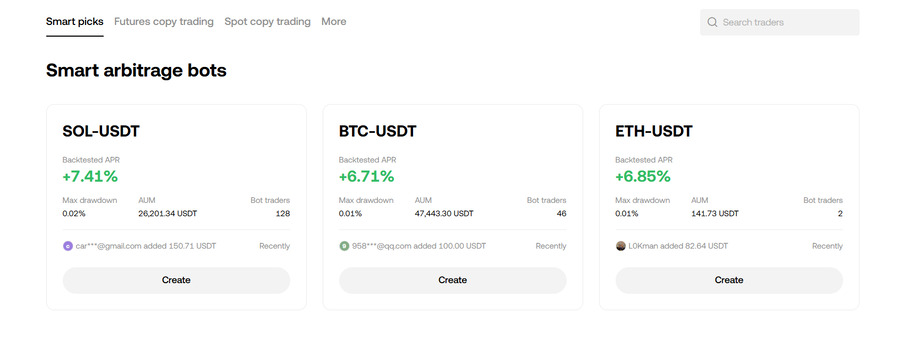
Pros
- Among the top five crypto exchanges worldwide
- Great selection of trading features
- Deep liquidity pools for sought-after assets
- Below 0.1% trading fees for most features
- Staking opportunities with a high rate of return
Cons
- Available in the US and Canada only through OKCoin
- Account funding options need improvement
Why Opt For Alternatives to Coinbase?
As one of the top crypto exchanges in terms of trading volume and user pool, Coinbase certainly delivers on many fronts. It boasts a strong reputation, a broad selection of cryptocurrencies, and an easy-to-navigate platform that appeals to beginners. Still, its downsides have traders seeking out the best Coinbase alternatives. Here are the most prominent reasons that might lead you to do the same:- High trading fees — The Coinbase fee structure is tier-based, so larger volume transactions usually cost less, though the fees are still fairly high compared to other high-quality exchanges. Maker and taker fees go up to 0.4% and 0.6% on average, respectively, and that’s on top of the network and crypto trading fees. MEXC, Margex, Kraken, and OKX all make a solid choice if you’re after a more affordable exchange.
- Default custodial wallet — Coinbase keeps your private keys on its servers, offering insurance for lost or stolen funds. While reassuring, this system prevents you from having full control over your assets since the platform may freeze your account or restrict your access at any time. If you prefer to have full autonomy and custody of your assets, exchanges like Exodus might be a better choice.
- Lack of advanced trading tools — Coinbase offers an easy-to-navigate dashboard and plenty of educational materials to accommodate crypto beginners. However, even its Advanced Trade platform lacks futures, margins, and derivatives trading and automation tools. To access these, check out our best Coinbase alternatives like eToro, MEXC, Binance, or BloFin.
- Poor customer service — Coinbase’s customer service operates through live chat and ticketing system, which many users find frustrating. These communication channels can feel more like self-service than interactive support, leaving you to resolve issues on your own. While Coinbase is working on enhancing its customer service excellence, you can resort to platforms like eToro, Exodus, or Kraken.
- Rigorous KYC checks — Like many competitors, Coinbase requires a Know Your Customer (KYC) process due to regulatory obligations and restricts trading until the KYC process is complete. If you’re looking for a less restrictive platform, options like BloFin, OKX, Binance, Margex, and MEXC enable limited trading without the need for a full KYC.
Conclusion
Following a comprehensive analysis, we’ve identified a list of the eight best Coinbase alternatives. Yet, eToro shines above the rest, offering a diverse range of trading features and catering to a broad audience. eToro is a comprehensive digital asset platform with a long track record. It covers thousands of financial instruments and offers fantastic social and copy trading tools for beginners and top-notch advanced trading features for seasoned traders. It’s also fully licensed, well-regulated, and easy to use, thanks to its responsive customer support.FAQs
What is a Coinbase alternative?
Is using Coinbase alternatives safe?
What is the best Coinbase alternative?
Is there a cheaper alternative to Coinbase?
Is Binance better than Coinbase?
References
- Best Cryptocurrency Exchanges (Business Insider)
- eToro Security, Copy Systems, and Cryptos (eToro)
- MEXC Overview (MEXC)
- MEXC Fees (MEXC)
- Margex Overview (Margex)
- Margex leverage (Margex)
- Exodus Crypto Wallet (Exodus)
- Kraken Fees (Kraken)
- Kraken Overview (Kraken)
- Binance VIP program (Binance)
- BloFin Overview (BloFin)
- BloFin Trading Volume and Market Listings (CoinMarketCap)
- OKX Trading Fees (OKX)
- Binance Blockchain Hack (New York Times)
- Bitcoin (Bitcoin)